The Right Fix Starts With Finding the Real Problem
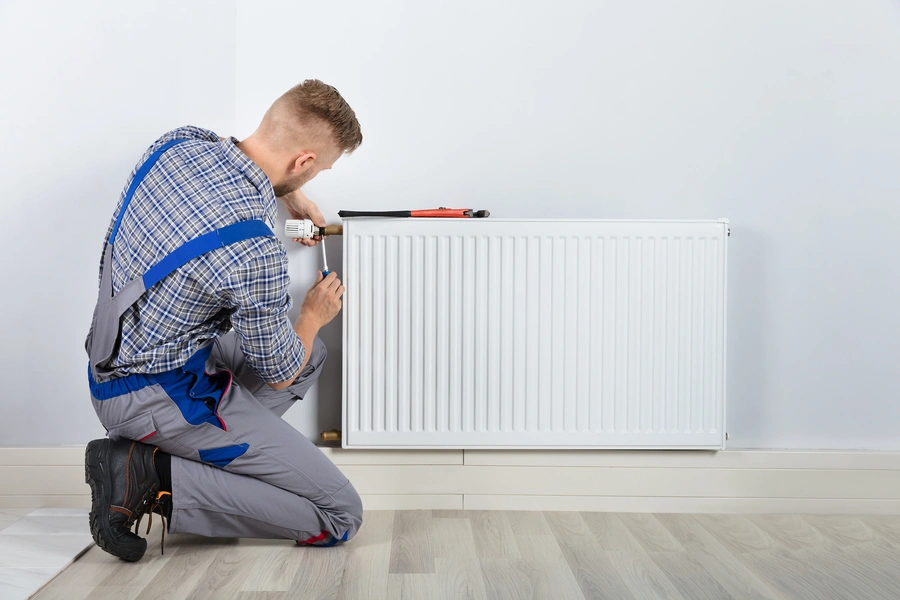
Proper diagnosis matters because it finds the real cause of a heating problem before any parts are replaced. Many heating issues look the same on the surface, but they come from different sources. If a technician skips careful testing, you may pay for repairs that do not solve the issue. A clear diagnosis leads to accurate heating repair, fewer repeat visits, and lower overall costs.
Quick Diagnosis Summary
When your heat stops working or runs poorly, the system is sending signals. Strange sounds, uneven warmth, or higher bills all point to a hidden cause. The goal of heating repair is not just to restore heat for the day. The goal is to fix the root issue so the system runs safely and smoothly long term.
Common Symptoms Homeowners Notice
Heating systems often show warning signs before they fail. Many homeowners call for help only after the unit shuts down. Catching problems early makes repairs simpler and less expensive.
- Cold air blowing from vents
- Rooms that heat unevenly
- System turning on and off too often
- Loud banging or rattling noises
- Sudden rise in energy bills
- Burning smells when the unit starts
Each of these signs can point to more than one issue. That is why guessing can lead to the wrong fix.
Likely Causes Behind Heating Problems
Different parts of your system work together. When one part fails, it can affect the whole unit. For example, cold air may come from a faulty thermostat, a clogged filter, or a cracked heat exchanger. Short cycling may result from airflow problems or electrical faults.
Some of the most common root causes include:
- Dirty or blocked air filters
- Malfunctioning thermostats
- Worn blower motors
- Loose or damaged wiring
- Gas supply or ignition problems
Without testing each component, there is no way to know which part is truly at fault. Replacing the wrong part wastes both time and money.
What to Check First
Before scheduling professional heating repair, homeowners can safely check a few simple items. These quick steps may solve minor issues.
- Check the thermostat settings and batteries.
- Replace a dirty air filter.
- Make sure vents are not blocked by furniture.
- Confirm the breaker has not tripped.
If the system still does not work after these steps, deeper testing is needed. Complex systems require proper tools and training.
Safe Fixes Vs Pro-Level Repairs
Some heating tasks are safe for homeowners. Changing filters and adjusting thermostat settings are simple and low risk. Beyond that, heating systems can become dangerous.
Gas furnaces involve fuel lines and combustion. Electric systems contain high voltage parts. Heat pumps rely on refrigerant and pressure controls. A wrong move can lead to fire risk, carbon monoxide leaks, or system damage.
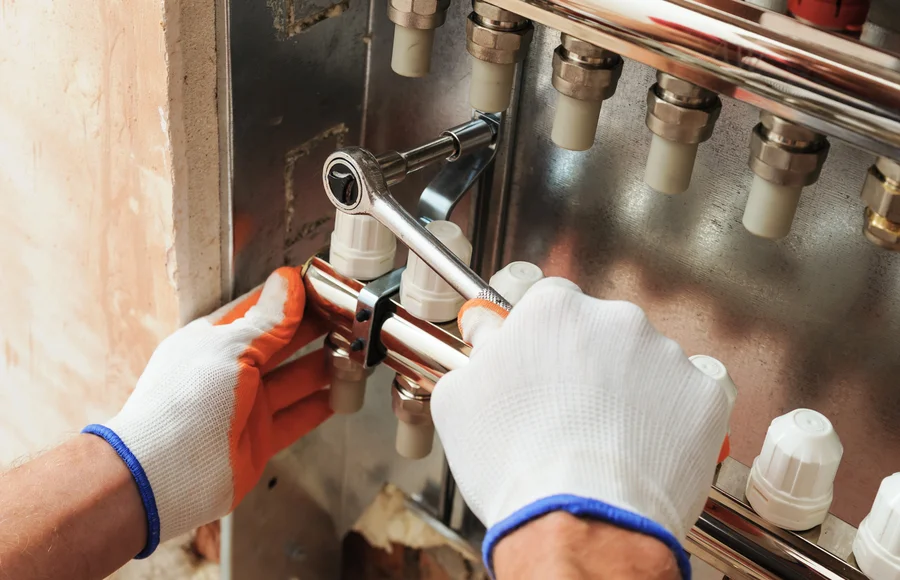
Professional heating repair includes:
- Testing voltage and electrical flow
- Checking gas pressure and burners
- Inspecting heat exchangers for cracks
- Measuring airflow and duct pressure
- Inspecting safety switches and sensors
These steps help confirm the exact cause instead of guessing. Accurate testing protects both your home and your budget.
How Misdiagnosis Costs More in the Long Run
Imagine replacing a blower motor because the system will not start, only to learn later that the real issue was faulty wiring. Now you have paid for a part you did not need. The original problem still exists.
Wrong repairs can also put extra strain on other components. That strain may shorten the life of the system. Over time, repeated guesswork can lead to early system replacement.
A careful diagnosis during heating repair prevents this chain reaction. It fixes the source, not just the symptom.
Prevention Tips for Fewer Repair Calls
While some breakdowns are unexpected, regular care lowers the risk. Routine attention helps technicians spot small problems before they grow.
- Change air filters every 1 to 3 months.
- Schedule annual heating inspection and tune-up.
- Keep outdoor units clear of debris.
- Listen for new or unusual sounds.
- Address small issues early.
Annual inspections often include full system testing. That testing builds a repair history. When problems arise later, diagnosis becomes faster and more accurate.
Call for Expert Help in Pharr, TX
If your system is acting up, do not rely on guesswork. Accurate heating repair starts with careful testing and honest answers. At Rio Air, LLC, we take time to inspect every key component before recommending repairs. We serve homeowners throughout Pharr, TX with thorough diagnostics and reliable service. Call (956) 787-1705 to schedule an appointment and let us restore safe, steady heat to your home.